
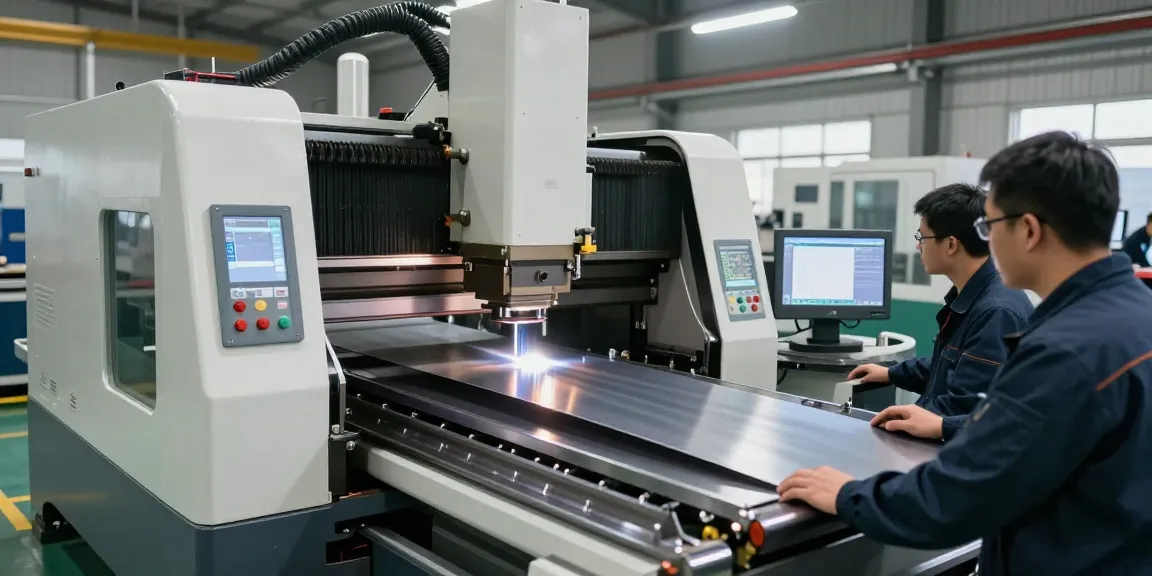
Understanding Hydraulic CNC Press Brake Machines
Hydraulic CNC press brake machines play a pivotal role in modern metal fabrication and are essential for manufacturers requiring precision bending of various materials. These sophisticated machines combine hydraulic power with computerized numerical control (CNC) to create more efficient and accurate bending processes. The integration of advanced technologies such as AI and automation into these machines not only enhances productivity but also addresses the increasing demand for higher precision and better operational efficiency. When exploring options, hydraulic cnc press brake machine provides comprehensive insights into features and applications that can revolutionize manufacturing workflows.
The Role of CNC Control Systems
CNC control systems are the brains of hydraulic CNC press brake machines. They allow for precise control over multiple axes, which enables the machine to perform complex bending operations with high accuracy. The ESA S630 CNC system, commonly used in machines like the WEK series, controls up to four axes as standard, with options to expand to six or more. With a user-friendly interface, operators can program the machine using either data or graphic programming methods, significantly reducing setup times and potential errors during the bending process.
Major Components and Features
A typical hydraulic CNC press brake machine consists of several critical components, including the hydraulic system, CNC controller, backgauge, and tooling. The hydraulic system generates the necessary force to bend materials, while the CNC controller ensures the precision of these movements. Features such as ball screw backgauges and automatic table crowning contribute to improving the machine’s bending accuracy and consistency. For instance, the WEK series’ mechanical table crowning uses CNC control to maintain the desired profile of the workpiece throughout the bending operation.
Applications in Metal Fabrication
Hydraulic CNC press brake machines are essential in various industries, including automotive, aerospace, electronics, and construction. They efficiently process a range of materials such as steel, aluminum, copper, and titanium, which is critical for manufacturers that produce components requiring high precision. By uniformly applying force, these machines can bend materials into specific shapes, thus serving diverse applications from simple sheet metal parts to complex assemblies.
Advanced Technologies in CNC Press Brake Machines
Automation and AI Integration
As manufacturing moves toward Industry 4.0, automation and AI integration are transforming CNC press brake operations. Modern machines are equipped with predictive maintenance features that utilize AI algorithms to forecast potential failures before they occur. Such systems rely on real-time data collected from machine sensors to predict maintenance needs, reduce downtime, and optimize performance, thus ensuring a significant return on investment.
Adaptive Control Systems for Precision
Adaptive control systems allow CNC press brakes to self-correct during operations, enhancing precision. These systems continuously monitor the bending process and adjust parameters in real-time to counteract any deviations. This feature ensures that dimensional tolerances are consistently met, crucial for industries like aerospace where precision is paramount.
Modern Safety Protocols
Safety is a primary concern in manufacturing environments. Modern hydraulic CNC press brakes incorporate several safety features such as light curtains or safety doors that prevent access to dangerous areas during operation. These enhancements are combined with robust emergency stop systems that ensure the fast cessation of operations when necessary, protecting operators from potential hazards.
Benefits of Using Hydraulic CNC Press Brake Machines
Increased Productivity and Efficiency
Employing hydraulic CNC press brake machines dramatically increases productivity. Their ability to execute complex bending operations automatically reduces the time needed for manual setups. With quicker processing times and fewer errors, manufacturers can produce more components in less time, enhancing overall efficiency and profitability.
Cost-Effectiveness of Operation
While the upfront investment for hydraulic CNC press brake machines can be significant, the long-term operational cost savings often justify this expense. Enhanced automation leads to reduced labor costs, and operational efficiencies lower energy consumption. Furthermore, the durability and long service life of these machines contribute to lower replacement and repair costs over time.
Enhanced Quality and Consistency
The use of hydraulic CNC press brake machines leads to improved product quality. The precision offered by CNC control systems minimizes variations in the bending process resulting in consistent output quality. This reliability is vital for industries where specifications must be maintained throughout production runs.
Future Trends in Hydraulic CNC Press Brake Technology
Smart Manufacturing and Industry 4.0
The future of hydraulic CNC press brake technology is heavily influenced by smart manufacturing principles and the evolution of Industry 4.0. This trend emphasizes the interconnectivity of machines, data analytics, and decentralized control. Manufacturers are increasingly employing IoT technologies to allow machines to communicate with each other, further enhancing efficiency and responsiveness in production environments.
Energy Efficiency and Eco-Friendly Practices
With growing concerns regarding environmental impact, the hydraulic CNC press brake industry is pursuing energy-efficient designs. Innovations include servo-driven motors that provide energy savings while maintaining performance. Additionally, manufacturers are exploring alternative hydraulic fluids to reduce environmental footprint, ensuring compliance with stringent regulations.
Next-Generation Automation Features
Future hydraulic CNC press brakes will undoubtedly feature advanced automation capabilities. This includes the development of robotic systems that can operate alongside machines for higher efficiency and reduced labor costs. Rollout of collaborative robots (cobots) is expected, where robots can work alongside human operators, enhancing flexibility and adapting to changes in production demands.
Frequently Asked Questions
What is the average lifespan of a hydraulic CNC press brake machine?
The lifespan of a hydraulic CNC press brake machine typically ranges from 15 to 25 years, depending on usage, maintenance, and technological advancements. Regular servicing and adherence to maintenance schedules can extend their operational life significantly.
How does automation improve efficiency in press brake operations?
Automation enhances efficiency by reducing manual intervention, enabling quicker setup times, and ensuring consistent quality through precise control measures. Automated systems can perform complex sequences that would be time-consuming and error-prone if handled manually.
What are the safety features incorporated into modern press brakes?
Modern press brakes come equipped with various safety features, including safety guards, emergency stop buttons, and light curtains. These safety protocols work together to protect operators from injuries while ensuring compliance with industry safety standards.


